.svg)
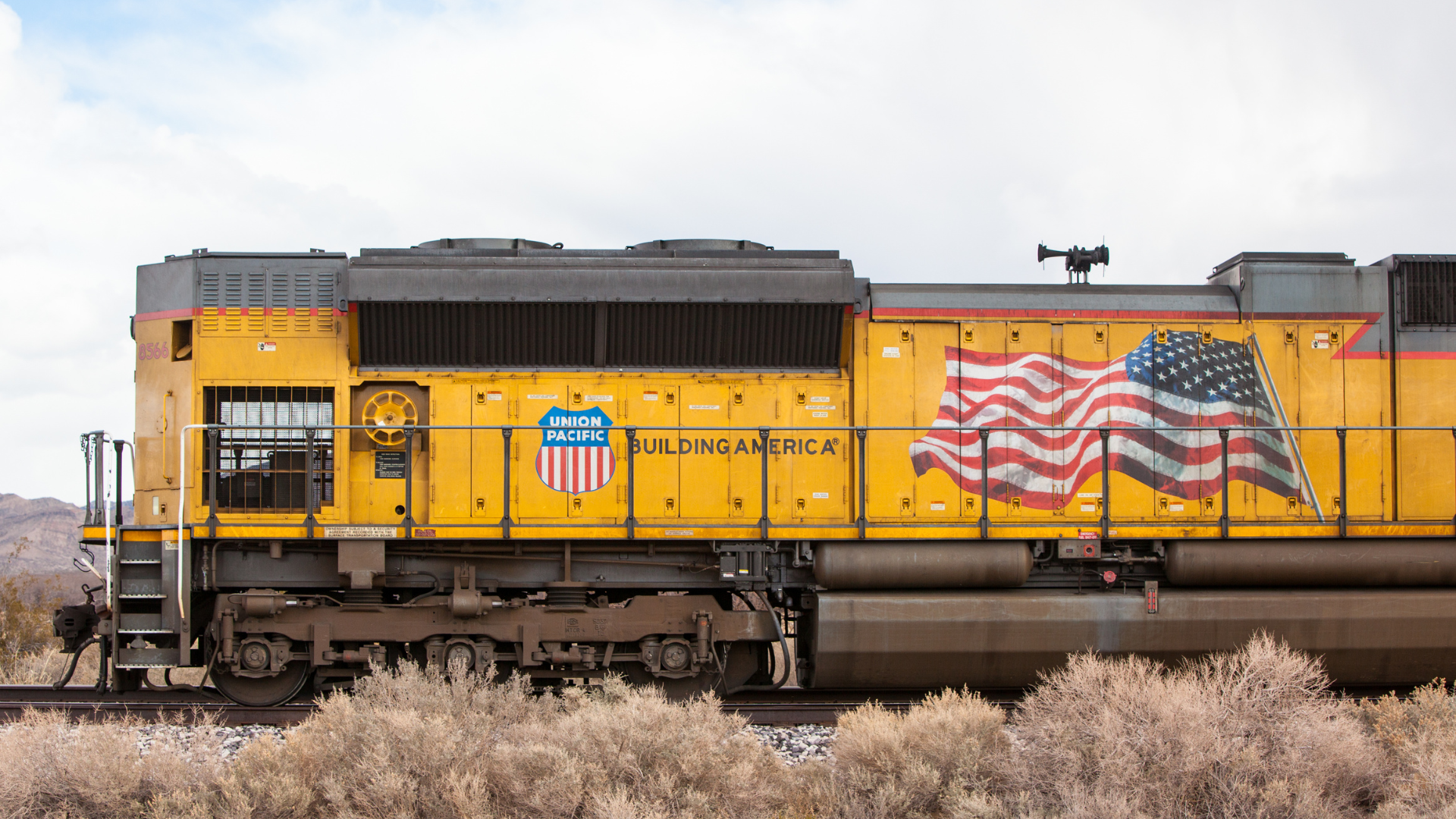
Union Pacific’s domestic intermodal volumes rose 19% in the second quarter, and the railroad credits high diesel for pulling freight off the highway. In the Pacific Northwest that shift arrives alongside produce season, when the region is already short on the trucks it needs to move its own outbound volume.
Fall brings a predictable surge in PNW freight. Refrigerated shipments jumped nearly 24% from Q3 to Q4 in 2025, which is typical every year. Potatoes, apples, and dry onions accounted for more than 90% of that fourth-quarter volume.
Seasonality, diesel and driver supply are the usual explanations for a tight fall market in the PNW, and this year, rail belongs on the list. More freight is arriving in the region by train, which changes how much equipment is sitting there to haul freight back out.
Diesel may be pushing more freight onto the rails
Rail has carried part of the agricultural freight moving through the PNW for years, and Union Pacific runs potato and onion programs originating in Washington, Oregon and Idaho. What is different this year is how fast that volume is growing.
Union Pacific reported $1.39 billion in intermodal freight revenue in Q2 2026, up 26% from the same period last year. That growth comes as intermodal continues to take a larger role in how freight moves across the railroad network. With diesel above $6 a gallon, rail's fuel-efficiency advantage is tempting shippers to move freight from truck to rail, but the savings come at the cost of reliability and service.
.png)
Produce season furthers the problem
As fall volume builds, refrigerated equipment must be positioned into the PNW at the same time more freight is trying to leave it. Yakima and Wenatchee have already reported a shortage of trucks in early September, before harvest hit its peak.
The issue isn’t always a lack of trucks. Sometimes, they’re simply in the wrong place. When inbound freight does not match outbound demand, trucks deadhead to reach the market before the paying load begins, and those empty miles are expensive right now.
What this means for a PNW freight plan
Switching inbound freight to rail may save shippers money in the short term, but it pulls trucks out of the region where they're needed. Rail service also tends to be less reliable on timing than truck. When fewer trucks come in, capacity tightens and rates rise on outbound produce lanes.
Shippers who bring more product into the PNW by truck will find it easier to cover their loads going out. Plus, inbound PNW rates are low right now, which makes this the time to use them.