.svg)
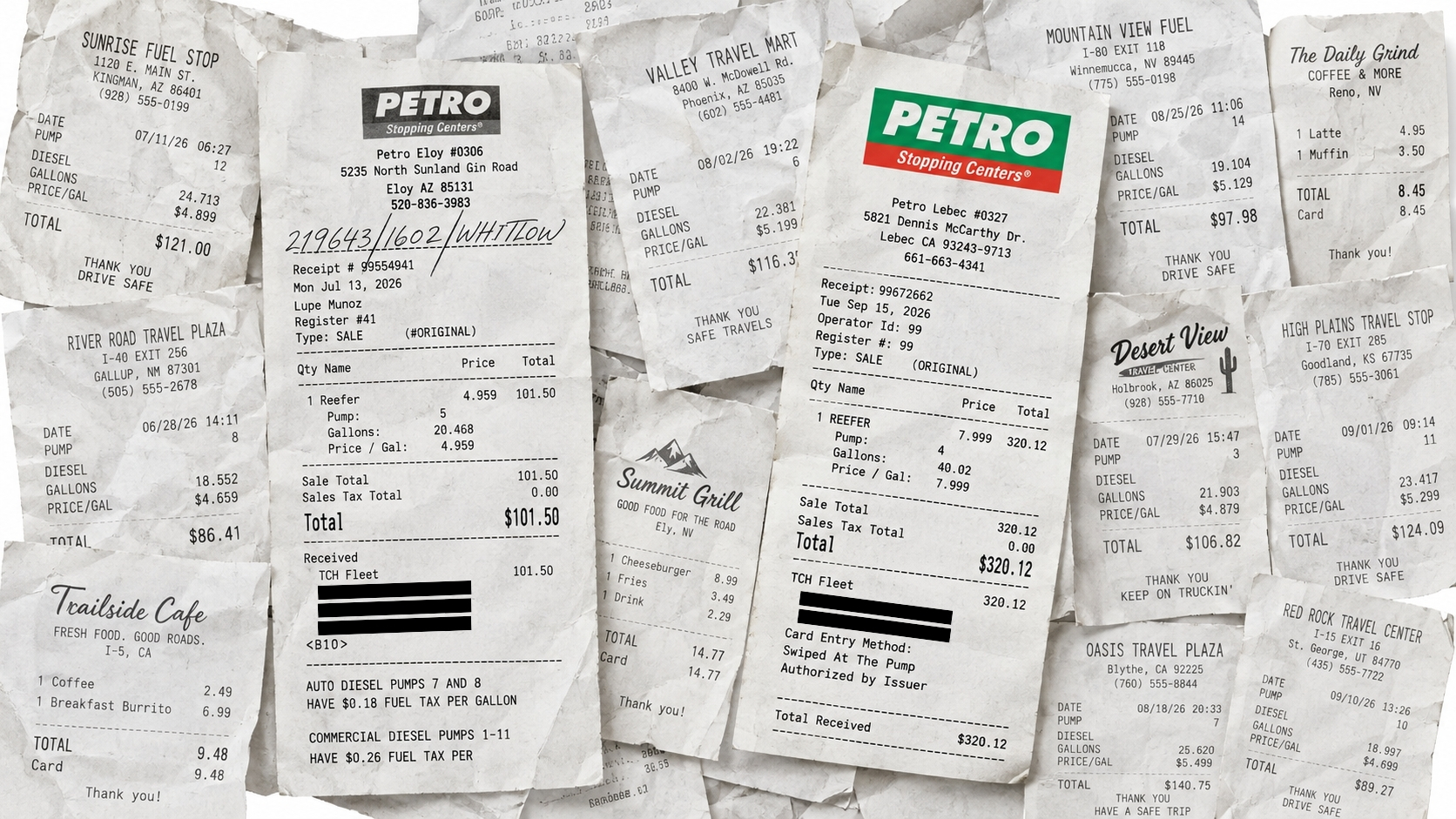
For refrigerated carriers, the tractor is only one of the two engines burning diesel.
Diesel moves the economics of a truckload faster than almost anything else on a rate sheet. On refrigerated freight it moves two things at once.
Diesel is rising fast: the national average price of on-highway diesel went from $5.599 a gallon on August 31 to $6.529 on September 21, nearly 93 cents in three weeks.
Which raises the question worth asking before the next rate conversation. When diesel moves that fast, how closely does the fuel surcharge track what it actually costs to keep the freight moving and cold?
The reefer has a fuel bill too
A trailer refrigeration unit can burn about 1 gallon of diesel for every hour it runs, with multi-temp units sometimes running slightly higher. Actual fuel consumption varies based on ambient temperature, setpoint, equipment age, and whether the unit is running continuous or start-stop.
At the September 21 national average of $6.529 per gallon, that puts the cost at roughly $6.53 an hour to run the box.
The tractor burns fuel by the mile. The reefer burns fuel by the hour. A truck sitting at a receiver stops adding miles and does not stop burning diesel, because the unit still has to hold temperature while everyone waits.
Diesel burned by the trailer refrigeration unit alone, at 1 gallon per hour, across the price range the market has moved through this year.
Fuel surcharges don't all work the same way
Most fuel surcharges run off a matrix. It is a table: diesel hits a certain price, the surcharge pays a certain amount per mile. Every matrix is built a little differently, and the difference that matters most is how often it updates. A matrix that updates weekly keeps pace with the pump. A matrix that updates monthly, or stays fixed for the whole bid, falls behind as soon as diesel starts moving. On a 69-cent climb in two weeks, the carrier covers the difference.
On refrigerated freight, plenty of agreements don't price the second engine at all. At some large refrigerated fleets, fewer than a third of customers carry a TRU fuel surcharge on the contract, and parts of the over-the-road business don't cover their costs without one.
None of that makes a mileage-based surcharge wrong. It makes the structure worth reading closely, because a per-mile calculation applied to equipment that also bills by the hour leaves a gap, and the gap opens wider every hour the truck isn't moving.
Smaller carriers have less room to absorb it
Big fleets buy fuel cheaper. Truckload fleets running more than 1,000 trucks spend about 8.8 cents less per mile on fuel than fleets running fewer than five, which comes down to scale and newer equipment.
Small fleets also have less margin to work with. The largest truckload fleets averaged a 6.9% operating margin last year. Refrigerated carriers improved over the year and still finished below 1%. At that level there is nothing underneath to absorb a two-week fuel move.
Less per mile on fuel for fleets running 1,000+ trucks than for fleets running fewer than five.
High diesel hits food freight harder
High diesel prices land harder on food freight than on most other freight. Part of that is the reefer, burning fuel by the hour on top of whatever the tractor uses.
The rest is geography. The Western growing regions that supply much of the country's winter produce also sit in the most expensive diesel markets in the country. On September 21 the national average was $6.529 while the West Coast averaged $7.456 and California $8.246. A load coming out of those markets is buying fuel at the top of the national range for both engines at once.
What this means for a rate conversation
A fuel surcharge is built to move with diesel, and on refrigerated freight it has two things to keep up with. The tractor burns fuel over the road. The reefer burns it by the hour, including the hours the truck spends at a dock with the wheels stopped. At $6.529 a gallon those hours cost about $5.22 each, and a mileage calculation never sees them.
What we are seeing work in a stretch like this one is a conversation rather than a clause. Reopening the fuel surcharge mid bid term, or running shorter bid windows while diesel is this volatile, keeps the rate closer to what the freight actually costs on both sides of the table.
For a carrier working below a 1% margin, knowing when the fuel is being burned matters as much as watching what it costs. For a shipper, a carrier who can still cover their costs in a market like this one is the carrier whose trucks keep showing up.