.svg)
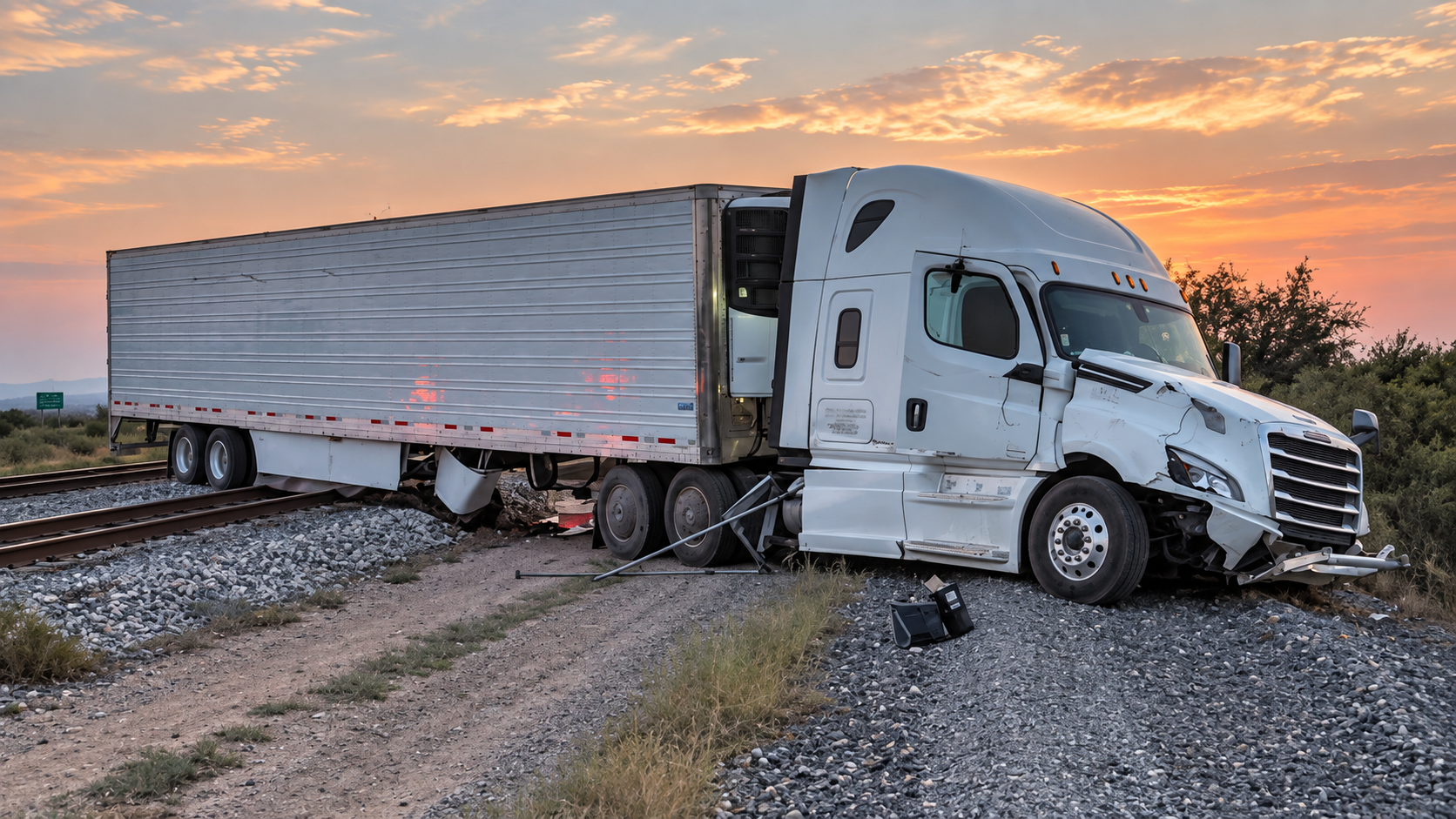
The truck made it. Hundreds of miles, sometimes a couple thousand, and the driver checks in, backs into a door, and waits while the receiver works the load. Then comes the call nobody wants to take: they're rejecting it.
A rejection doesn't mean the product is lost, and it doesn't always mean a claim is coming. It does start a clock. Every hour spent figuring out what happened is another hour the product keeps aging, and these situations get more expensive the longer they sit. Around here we say it plainly: claims are bad.
So what causes a receiver to turn away a full truckload, and what actually happens after they say no?
Why receivers reject loads
There's no single reason, and in our experience it's rarely just one thing. A receiver might flag temperature concerns, product condition on arrival, freight that shifted or damaged in transit, a count or spec that doesn't match the order, or a receiving requirement that wasn't met.
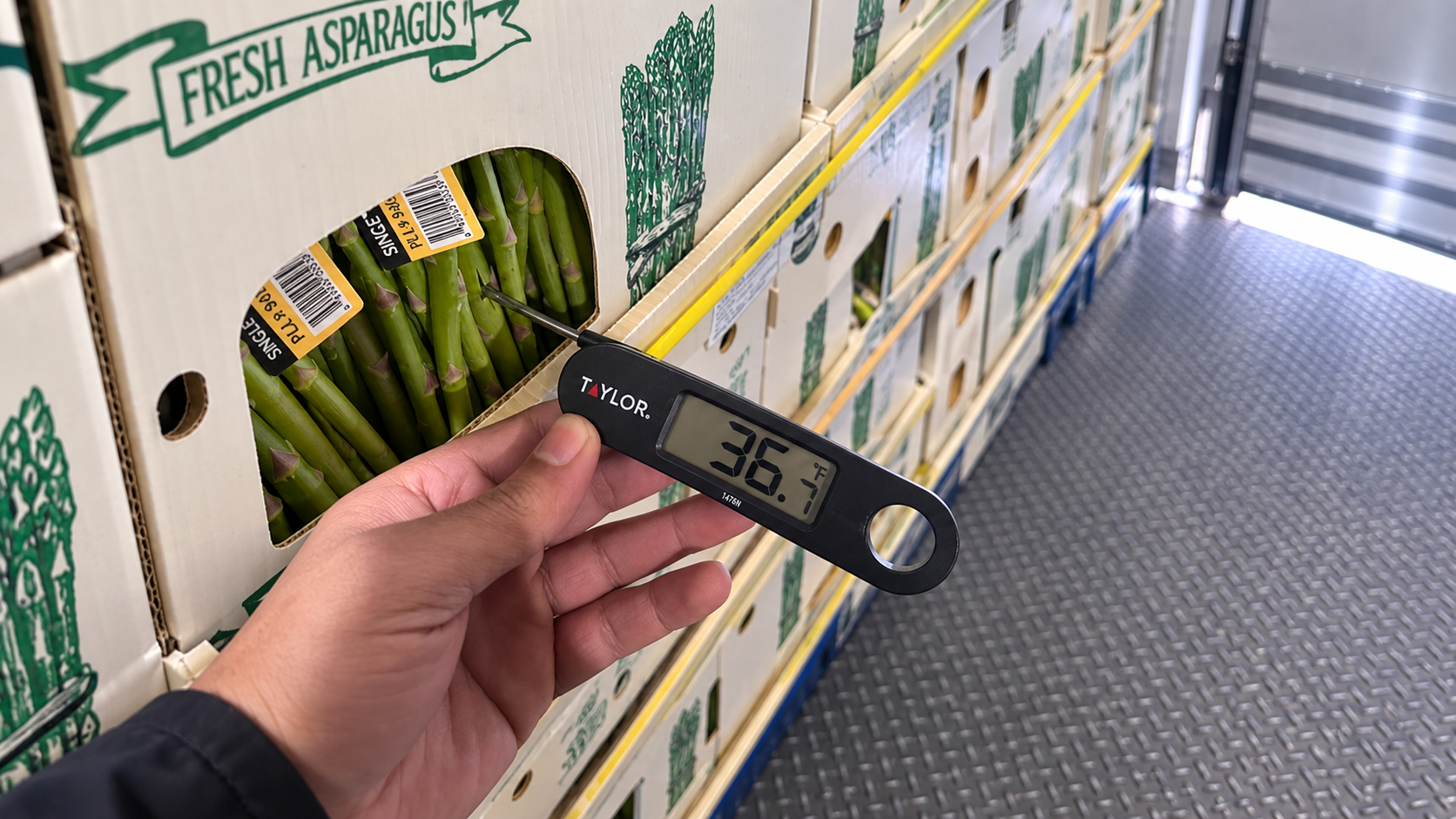
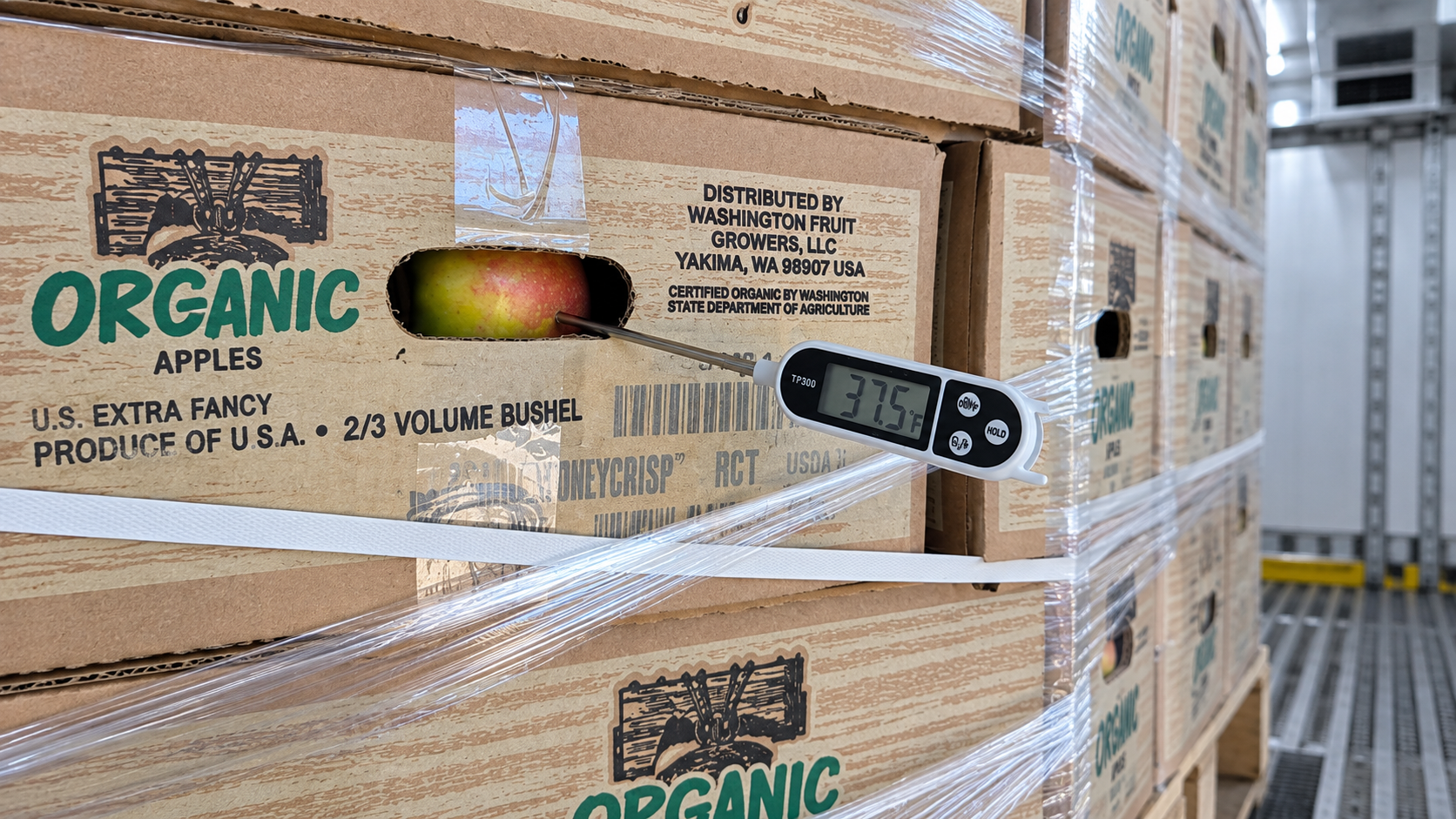
Temperature gets the most attention, and for good reason. FDA wrote its sanitary transportation rule to prevent practices that create food safety risks, and failure to properly refrigerate food is the first one it names. A number someone reads off a thermometer at the dock is a starting point, not a conclusion. At what temperature was the load supposed to run? Was the trailer pre-cooled before loading? Is there a record of the product's pulp temperature before loading? If so, what was the temperature before the trip began? What does the reefer download show for the trip, and how does the pulp temperature at receiving compare to the air temperature of the trailer it just came from?
Timing causes its share of rejections too. Produce doesn't stop aging while a truck sits waiting on a new appointment, an inspection, or instructions. A blown receiving window can create a real problem even when the reefer ran exactly as it was told to.
After the receiver says no
The first job is finding out why, which means collecting information before anyone starts drawing conclusions. Depending on what happened, that's the receiver's stated reason for rejection, product temperatures, the reefer download, photos of the freight on the trailer, arrival and check-in times, and the bills of lading and other paperwork from the shipment.
For fresh fruits and vegetables covered by PACA, USDA adds another layer. Notice of rejection on a truck shipment is generally considered timely inside eight hours, measured from when the receiver gets notice of arrival and the product is accessible for inspection, not from whenever the truck rolled onto the property. Whether a rejection turns out to be rightful can come down to the transportation contract (bill of lading) and the evidence around the shipment. USDA points to the terms of sale, a temperature recorder showing ambient conditions in transit, and a prompt inspection as things that help settle these disputes.
That's what makes the paperwork worth more than it looks at the time. A temperature recorder helps illustrate what ambient conditions were during the trip. Photos show how the freight actually arrived. Timestamps establish when the truck reached the facility and when it checked in. An inspection puts a third party on record about the product's condition at its destination. Nobody collects any of this to win an argument. They collect it so the shipper, the receiver, and the carrier can agree on what happened and pick a next move that holds up.
Meanwhile, the load is still on the truck
This is the part that makes rejected perishables different from rejected dry freight. The problem keeps developing while everyone sorts out the cause. The product ages, the driver's clock runs, the reefer burns fuel, and 40,000 pounds still needs somewhere to go.
Depending on the circumstances, that could mean another inspection, a second delivery attempt, diversion to a different receiver, salvage, or a cargo claim. If there's any indication that a temperature failure or another variable may have made the food unsafe, FDA's rules say it can't be sold or distributed until a qualified individual determines the deviation didn't render it unsafe.
This is why the first few hours carry more weight than the following days. Every rejection is its own situation, but a load that sits half a day before anyone starts gathering facts is a much harder problem than one where the information was already moving inside the first hour.
Some rejections start at origin
Plenty of problems are built into the load before the truck ever gets near the receiver. A refrigerated trailer maintains a product's temperature. It isn't a cooling machine for warm product. That puts more weight on what happens at pickup: the shipper's stated requirements, the product's core/pulp temperature before loading, the condition of the equipment, pre-cooling when the commodity needs it, how the load is stacked and whether air can move around it. FDA's sanitary transportation rules speak directly to all of it, including vehicle conditions, the shipper putting an operating temperature in writing, pre-cooling the compartment before loading, and effective communication between shippers, carriers, and receivers.
Visibility is the other half of the equation. A driver who calls three hours before a missed appointment gives everyone options. A driver who explains it afterward presents a problem. Temperature works the same way. Catching an odd reading before or in transit is a different conversation than finding it after the doors open at the consignee.
Not every rejection can be prevented. Good prep and honest updates cut down on the ones that catch people by surprise.
Claims are bad. Information helps.
A rejected load isn't a lost load, and it isn't a claim yet. It's an operational situation with a short fuse. When there's 40,000 pounds sitting at a dock with nowhere to go, how fast everyone gets from "what happened" to "here's what we're doing" depends almost entirely on the quality of the information gathered.
That's the part of reefer freight that never shows up on a rate confirmation. Somebody has to know the commodity and watch the load while it's moving. Somebody has to speak up early when a number looks wrong, and have a plan ready before the customer has to ask for one.
Sources
- FDA, FSMA Final Rule on Sanitary Transportation of Human and Animal Food
- 7 CFR 46.2(cc)(2), definition of "reasonable time" under PACA
- USDA Agricultural Marketing Service, Top 10 Contracting Issues (PACA)
- 21 CFR 1.908(a)(6), transportation operations
- 21 CFR part 1 subpart O, Sanitary Transportation of Human and Animal Food